

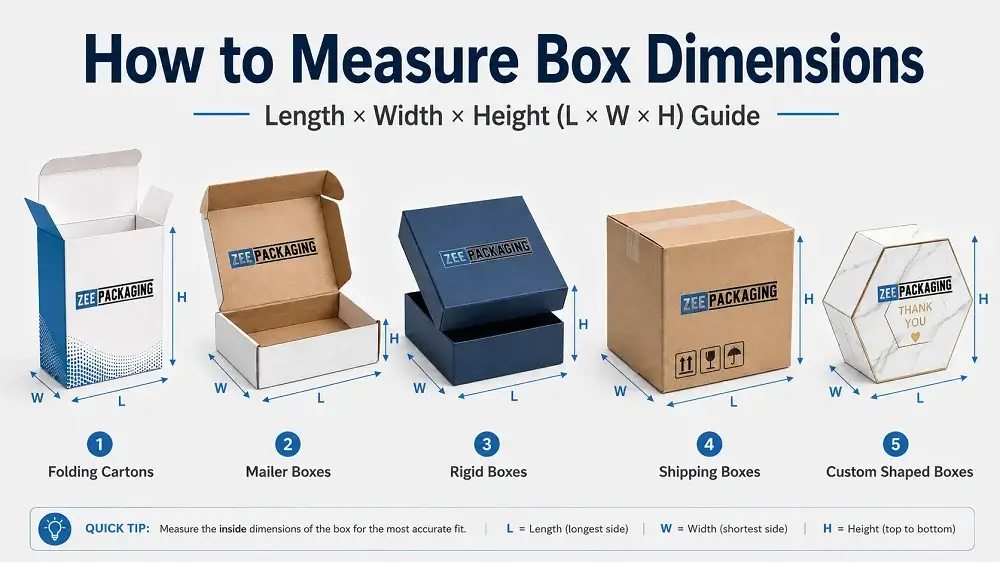
How to Measure Your Box: A Complete Box Measurement (L × W × H) Guide by ZEE Packaging
Getting your box dimensions right is the first step in any custom packaging project. At ZEE Packaging, we receive hundreds of quote requests every month, and one common issue is incorrect box measurements. Even a half inch mistake can result into a product which does not fit properly, a lid which will not close, or extra shipping costs. So we have put together this simple guide to help you measure your boxes correctly.
Understanding Length × Width × Height/Depth
Length × Width × Height/Depth, written as L × W × H/D, is the standard way to describe the size of a box.
- Length (L) is generally the longest horizontal side, measured end to end.
- Width (W) is the shorter horizontal side, measured from side to side.
- Height (H) is the vertical measurement from bottom to top.
- Depth (D) is also used instead of height in many box measurements.
For example, a box measuring 10" × 6" × 4" means it is 10 inches long, 6 inches wide, and 4 inches high.
You can measure in inches, centimeters, or millimeters. Just make sure the order remains the same, because changing the numbers can describe a different box size.
Product Dimensions Guide by Shape
Before deciding your custom box size, first you need to measure your product correctly. Different products have different shapes, so here is how you can measure them.
- Rectangular and square products: Length × Width × Height
- Flat products: Length × Width, with thickness if needed
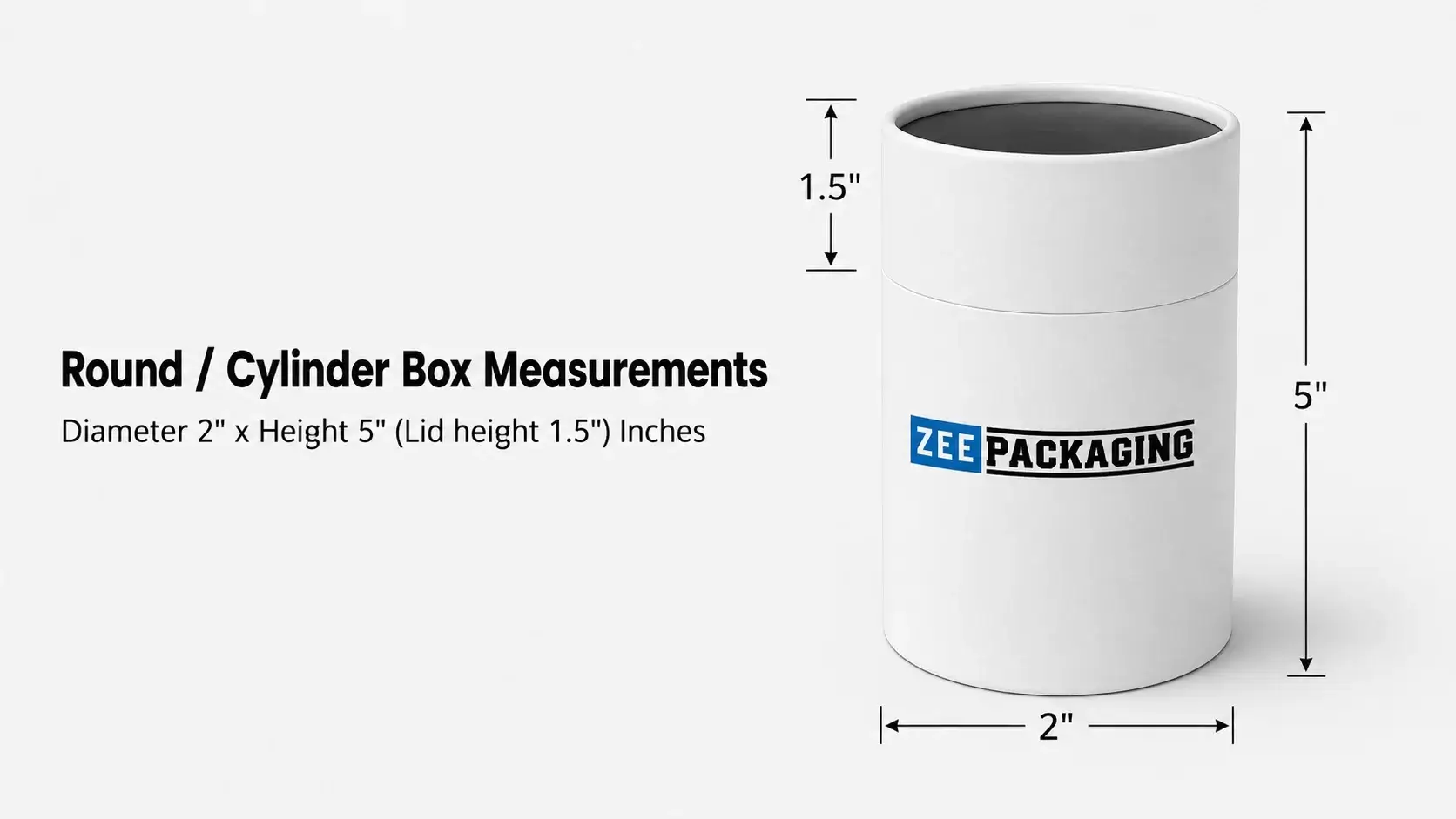
- Round or cylindrical products: Diameter × Height
- Spherical products: Diameter only
- Oval products: Length × Width × Height
- Conical products: Diameter × Height
- Triangular products: Maximum Length × Width × Height
- Irregular products: Longest, widest, and highest overall points
How to Measure Box Dimensions Correctly
Accurate measurements help you get the right product fit, production size, shipping calculation, and quotation. Box dimensions are normally written as Length × Width × Height.
You should also confirm whether your measurements are inside or outside dimensions, because both are not the same.
Tools You Need
For most of the boxes, you need few simple tools only:
- Ruler: For small folding cartons and lightweight boxes
- Measuring tape: For larger corrugated, shipping, and rigid boxes
- Caliper: For exact measurements and board thickness
- Straightedge: For checking measurements across flat surfaces
Place your box on a flat surface and measure in a straight line. Avoid measuring along folds, curves, or angled panels.
Length, Width, and Height/Depth on a Standard Box
For a rectangular box, first identify the main opening or base. The length is generally the longer side, the width is the shorter side, and the height runs from bottom to top.
Example: 12" L × 8" W × 4" H/D
Some custom box styles may have different measuring points depending on their shape and construction.
Inner Box Dimensions
Inner dimensions show the usable space inside your box. These measurements are important when you need packaging for a specific product, bottle, jar, or insert.
Measure from one inside wall to the opposite wall, and from the inside bottom to the inside top.
Outer Box Dimensions
Outer dimensions show the complete size of your finished box, including the material thickness. These measurements are useful for shipping, storage, and pallet planning.
Which Dimensions Should You Send Us?
For custom box quotation, we prefer finished internal box dimensions in L × W × H, because they show the available space for your product.
Example: Box Size: 10" L × 6" W × 3" H, Inside Dimensions
If you have outside measurements only, you can send those also. Just mention they are outer dimensions. Remember, material thickness can change the final size, especially for corrugated and rigid boxes.
Box Measurement Methods by Style
Different box styles can have different measurement requirements. At ZEE Packaging, you can choose your custom box style, size, and other available options according to your product needs.
The table below shows how to measure common paperboard packaging styles.
Box Style | Measurement Method |
|---|---|
Standard Box | L × W × H |
Tuck End Box | L × W × H |
Auto Bottom Box | L × W × H |
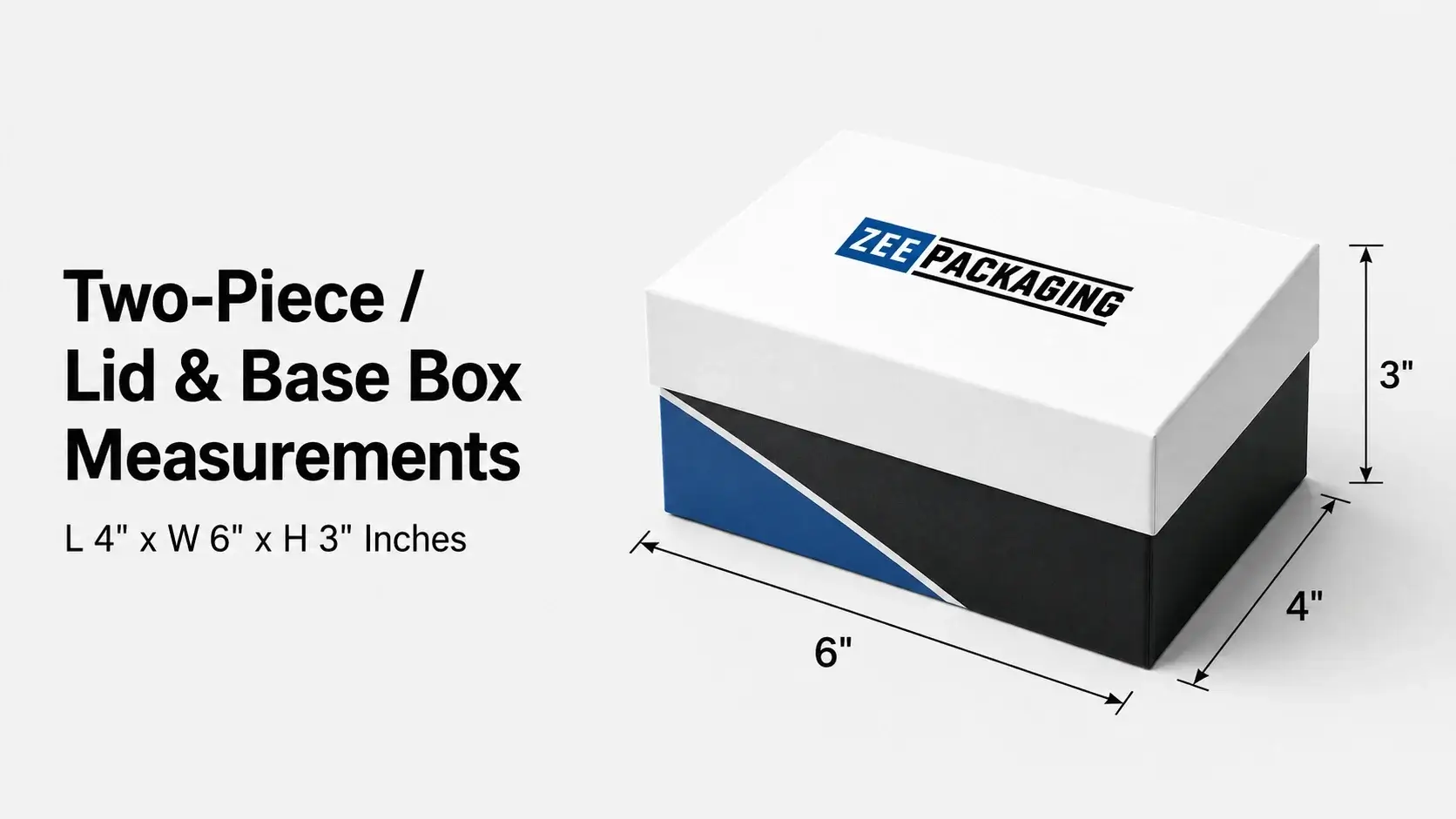
Lid & Base Box | L × W × Base H + Lid H |
Sleeve & Tray Box | L × W × H + Sleeve Size |
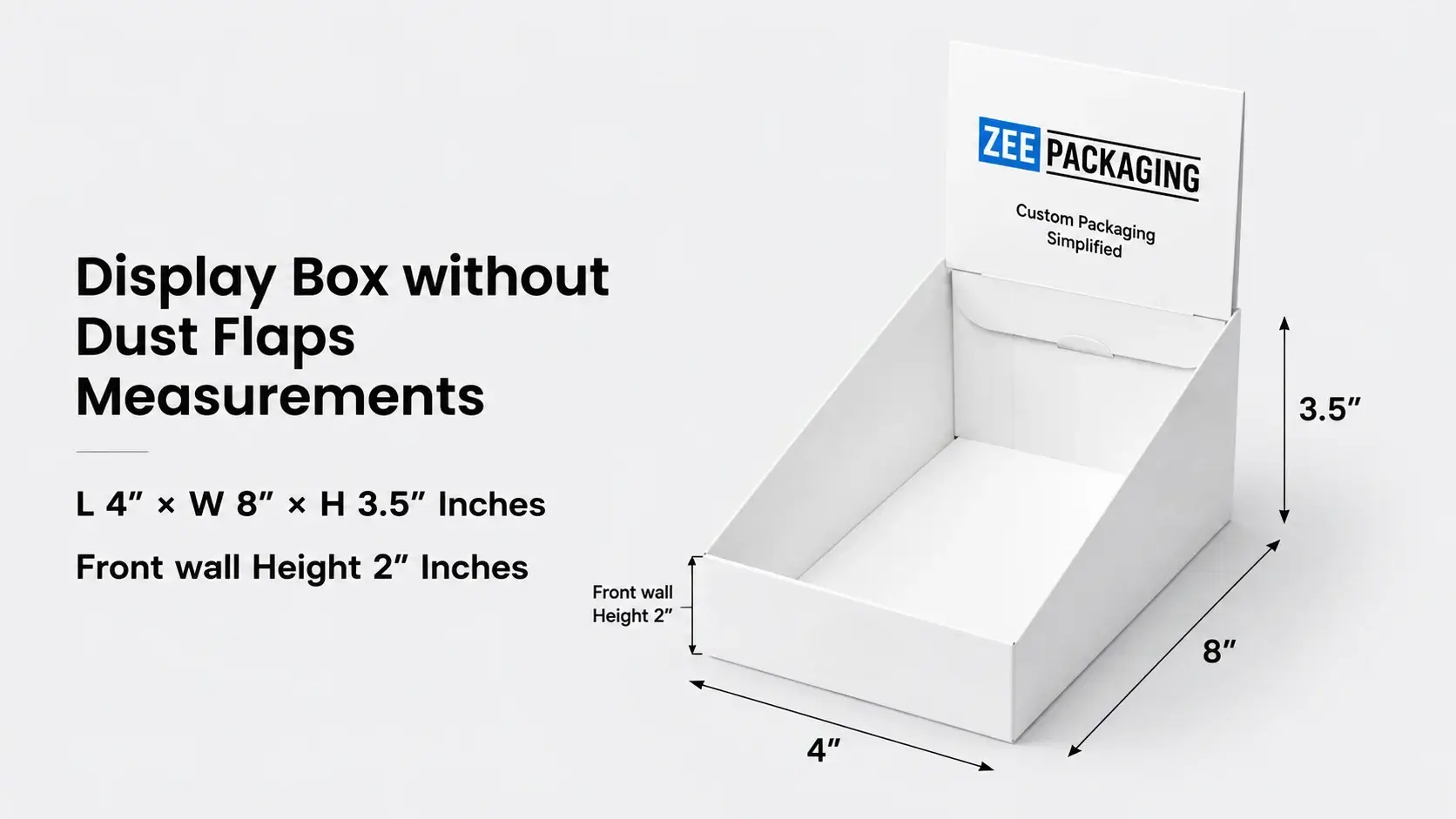
Display Box | W × D × Front H × Back H |
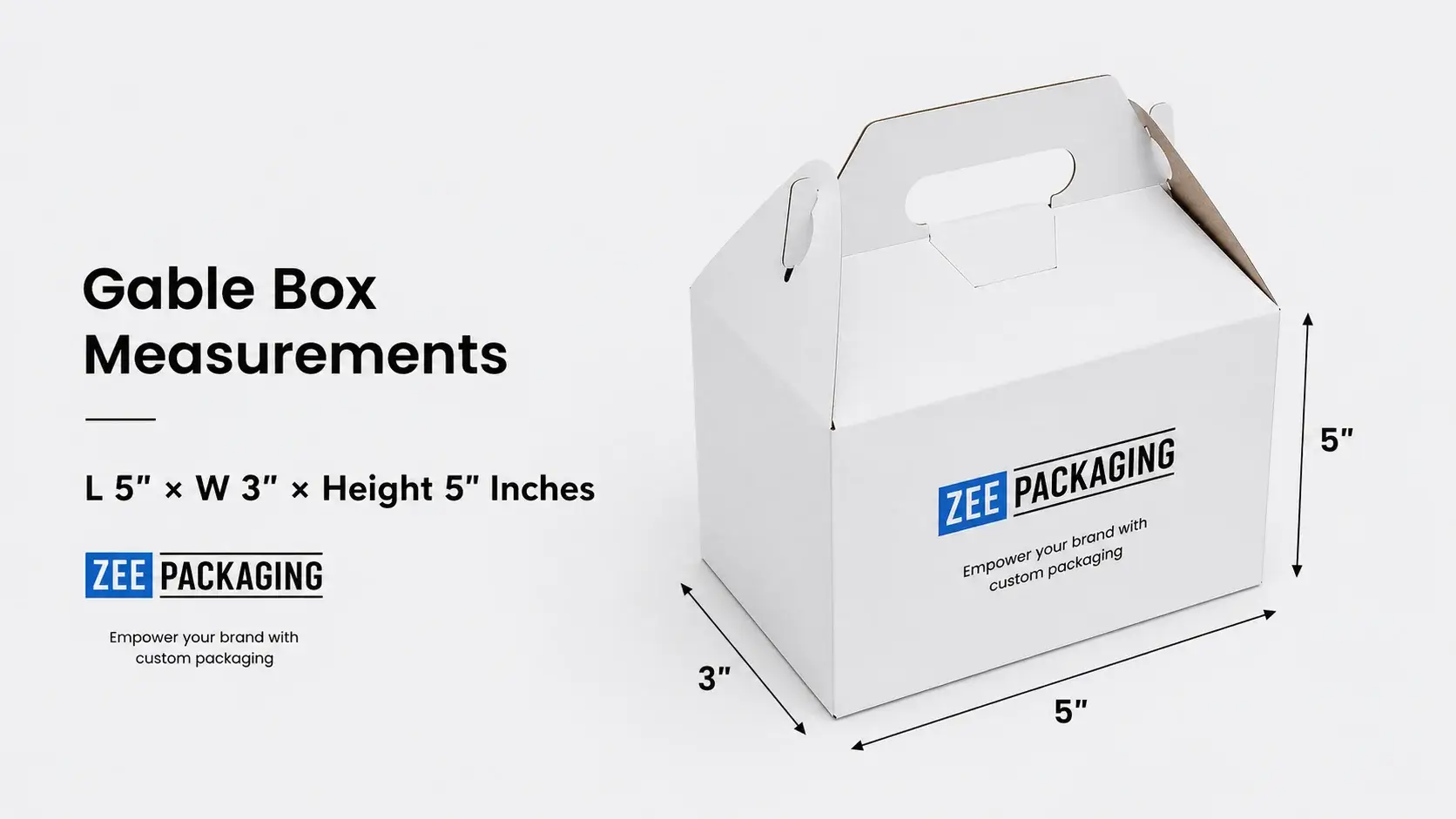
Gable Box | L × W × Body H + Handle H |
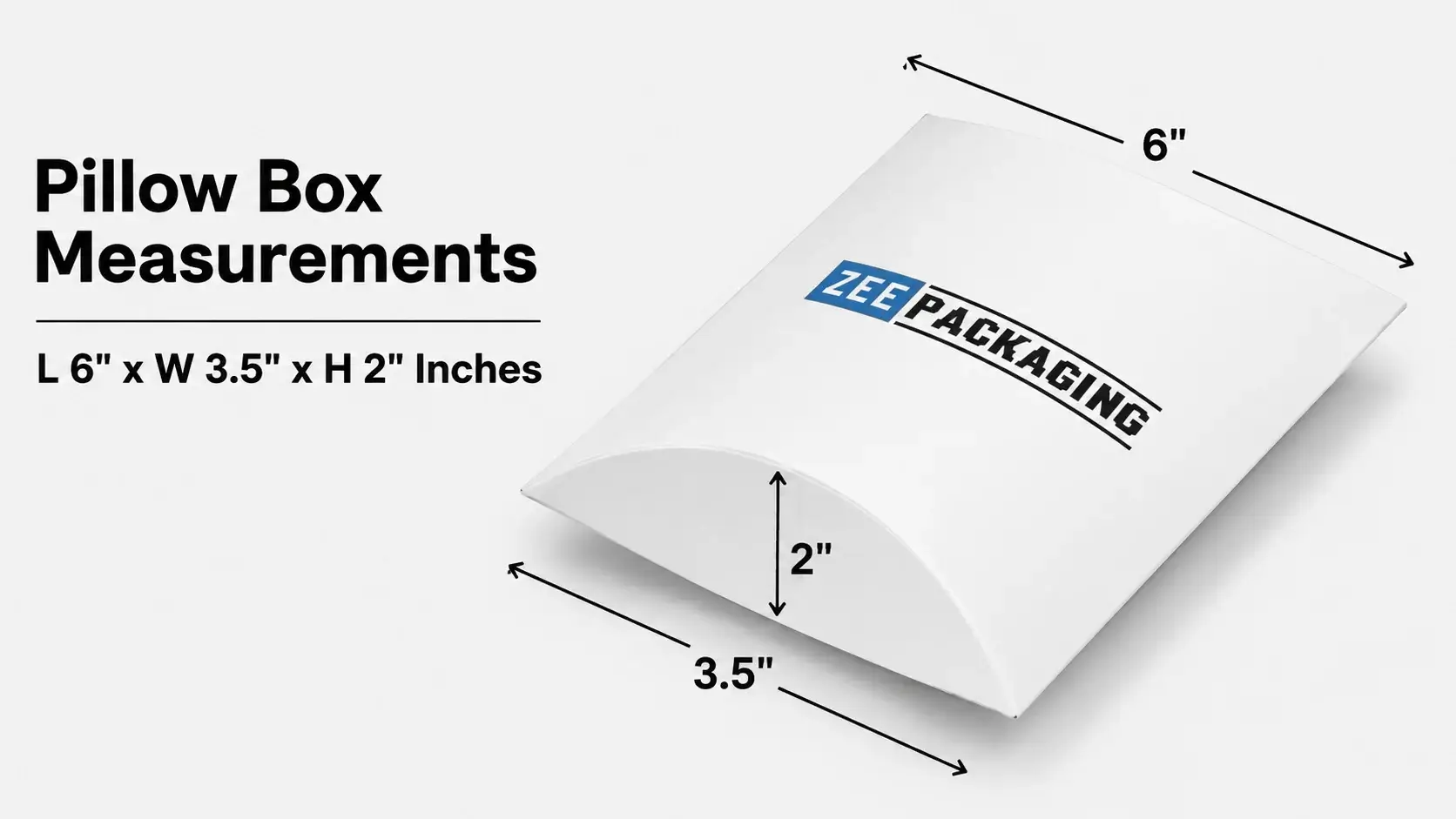
Pillow Box | Length × Width × Center Depth |
Window Box | L × W × H + Window Size |
Hang Tab Box | L × W × H + Tab Height |
Dispenser Box | L × W × H + Opening Size |
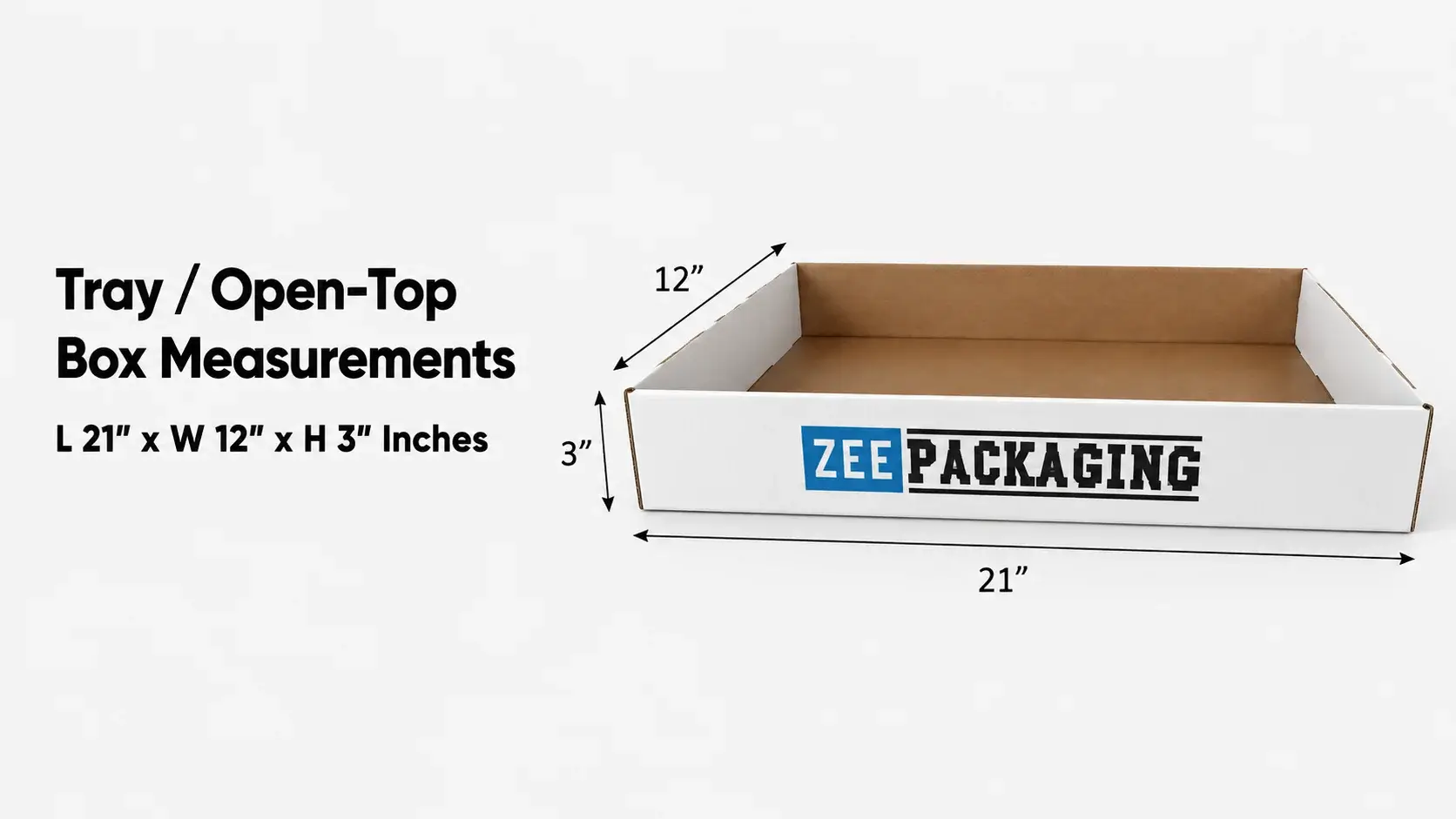
Open-Top Tray | L × W × Wall Height |
Divider Box | L × W × H + Cell Size |
Note: L = Length, W = Width, H = Height, D = Depth. Use internal dimensions unless otherwise specified.
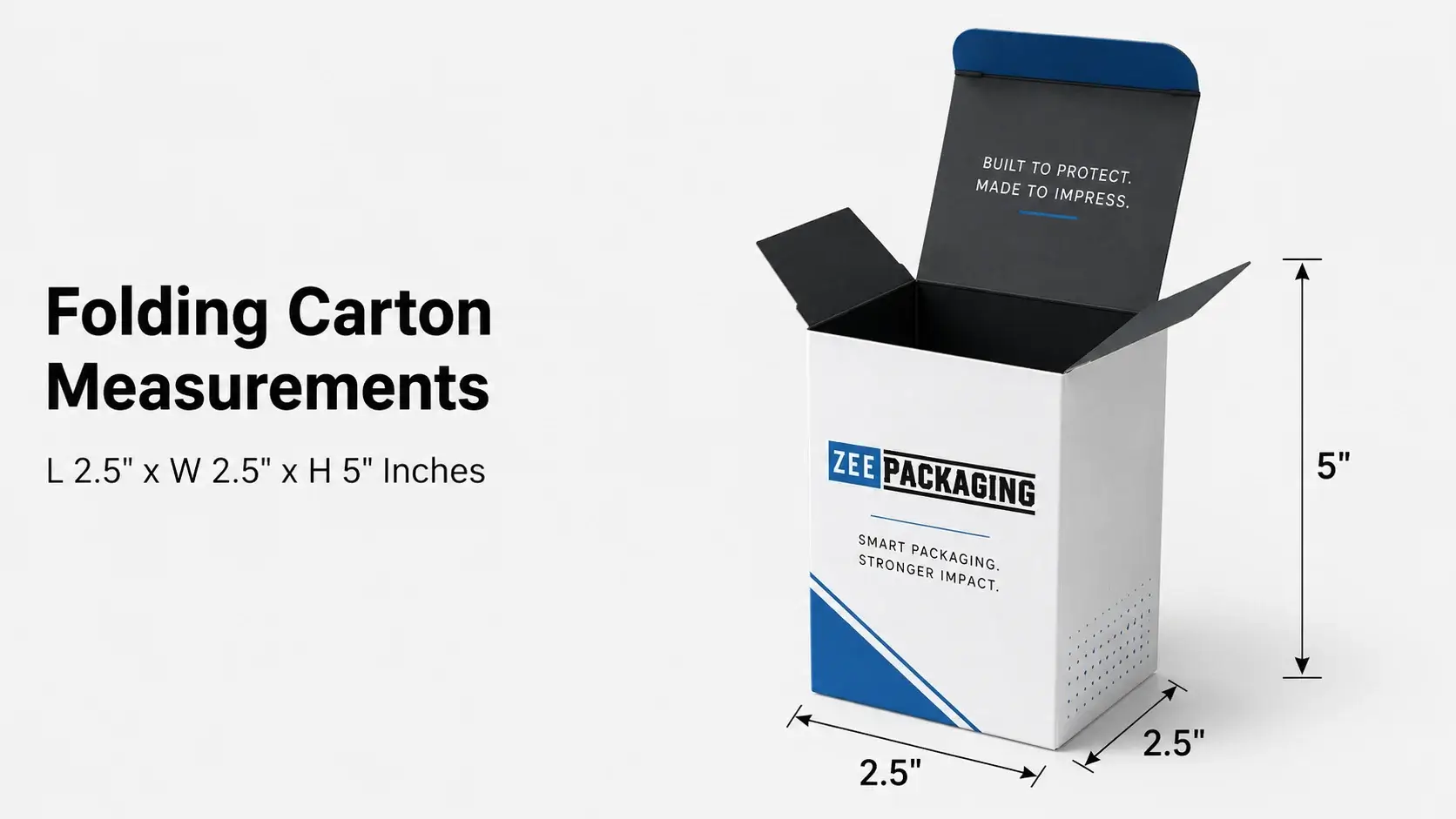
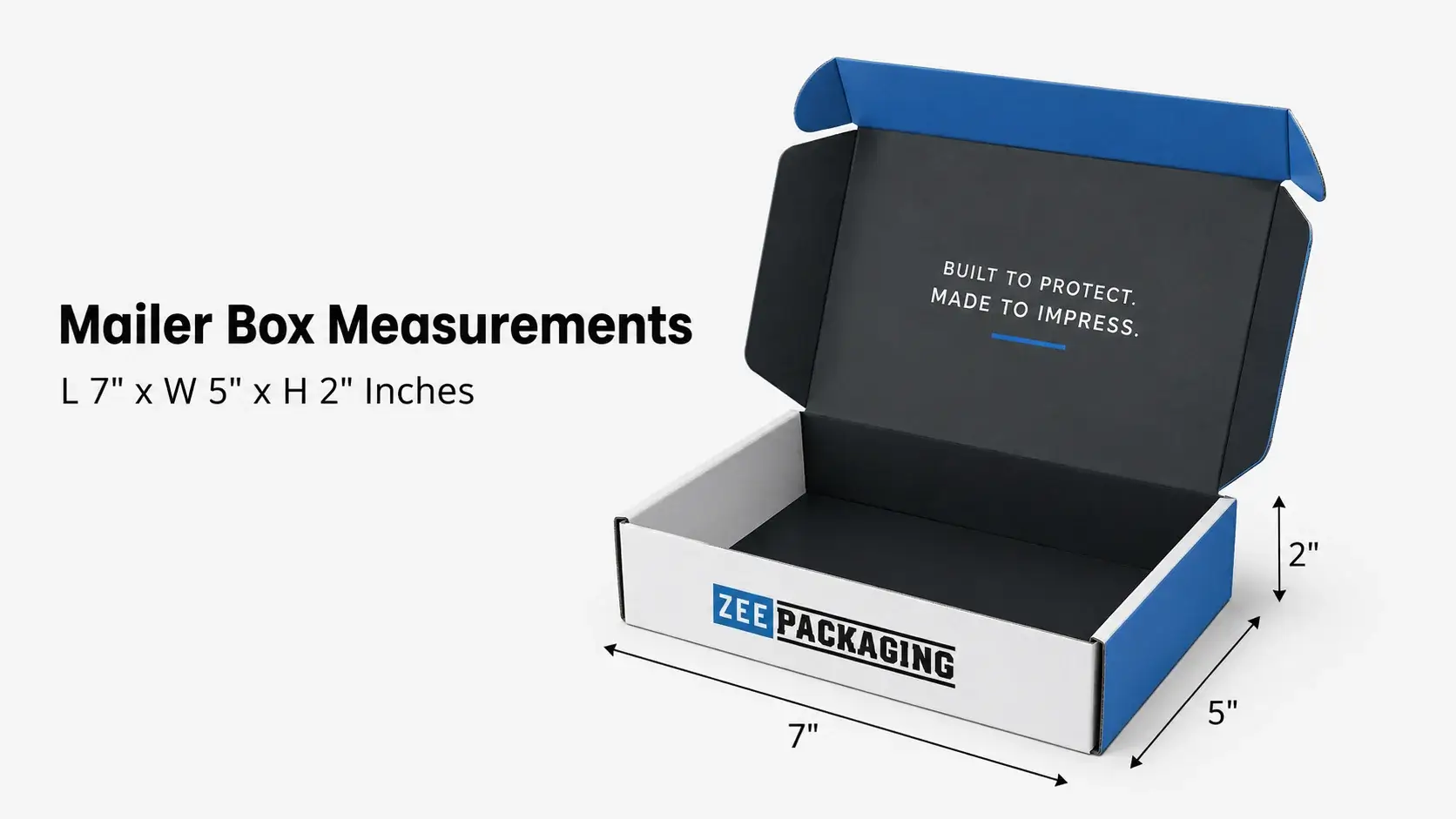
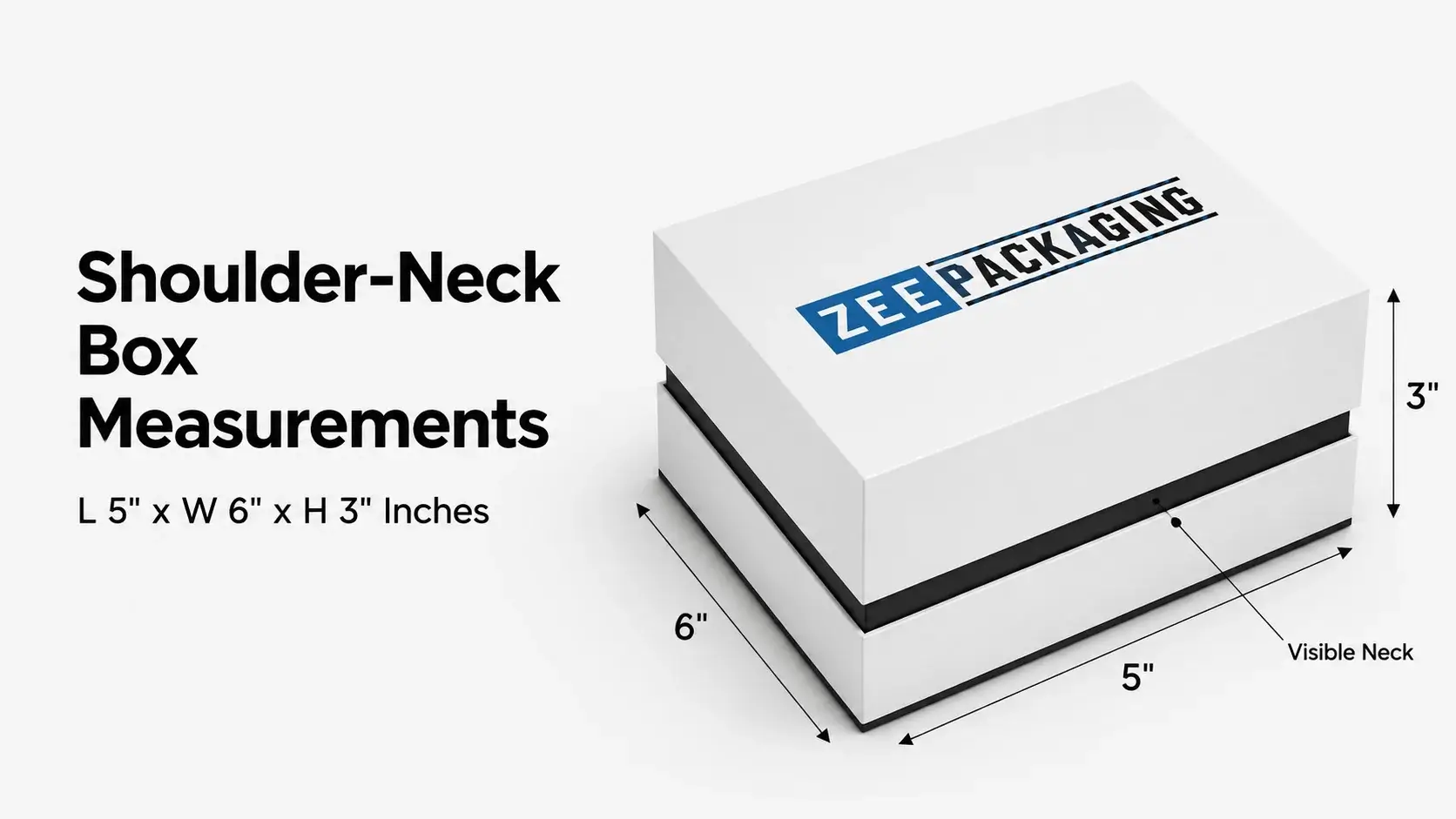
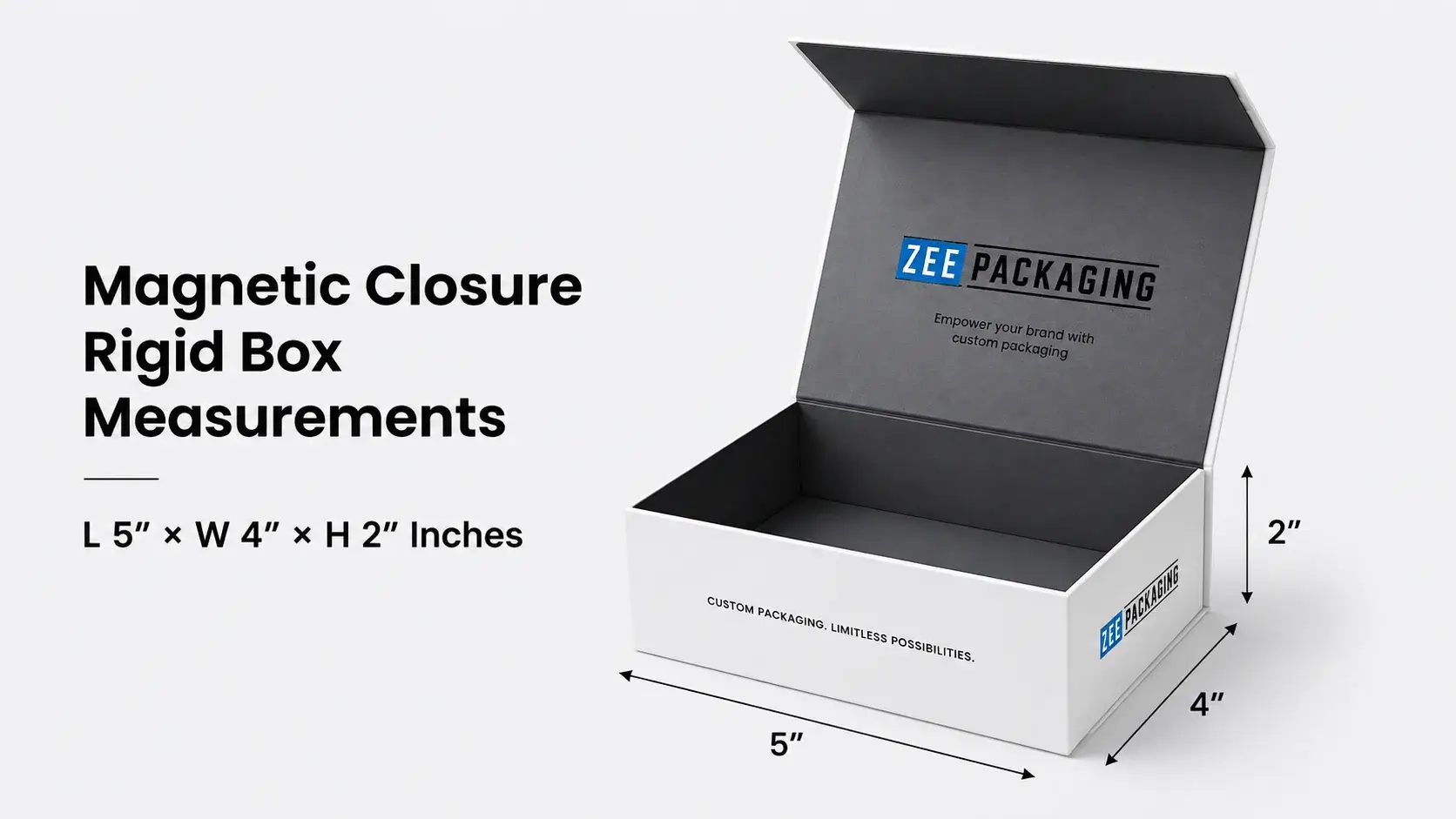
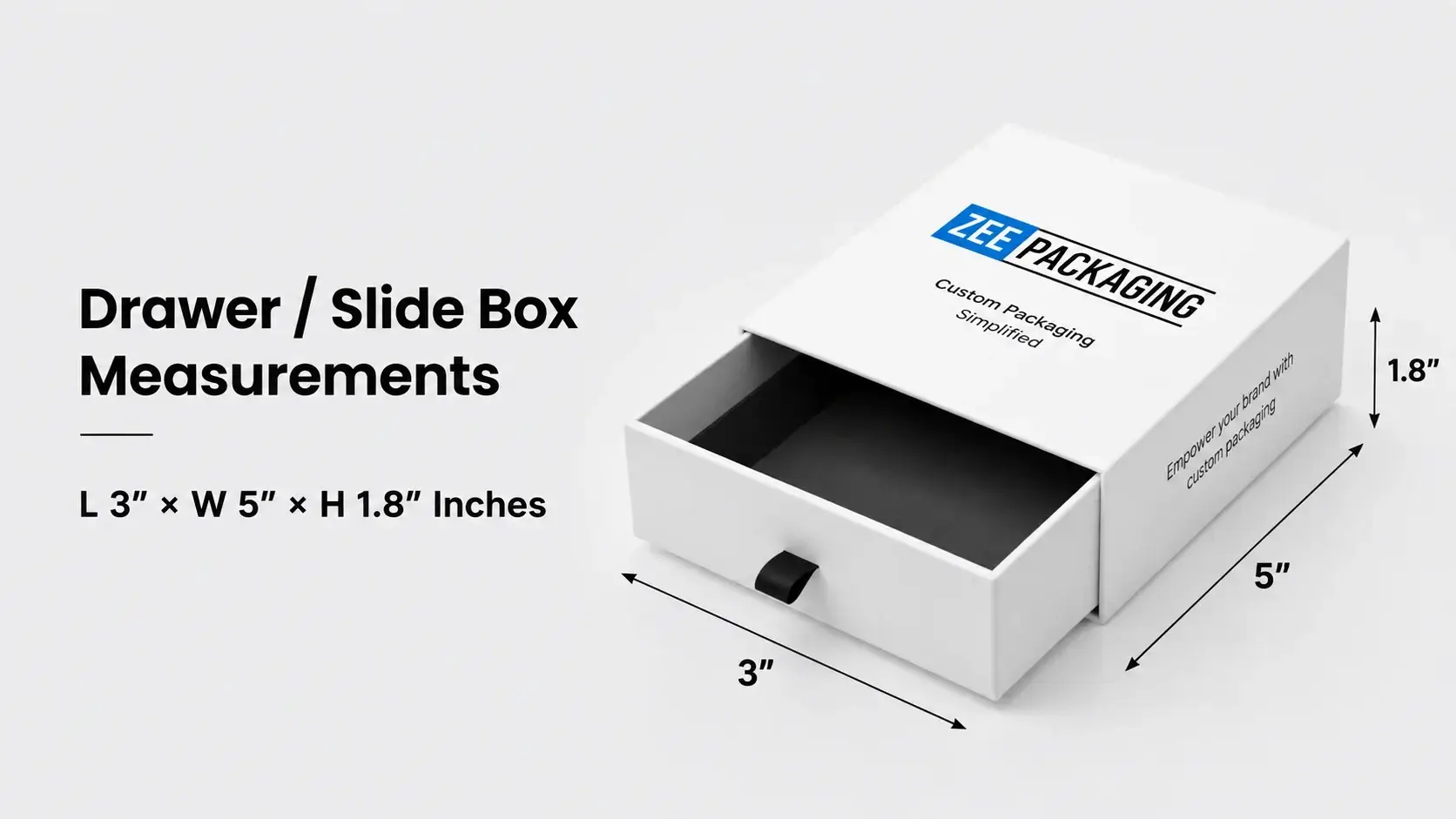
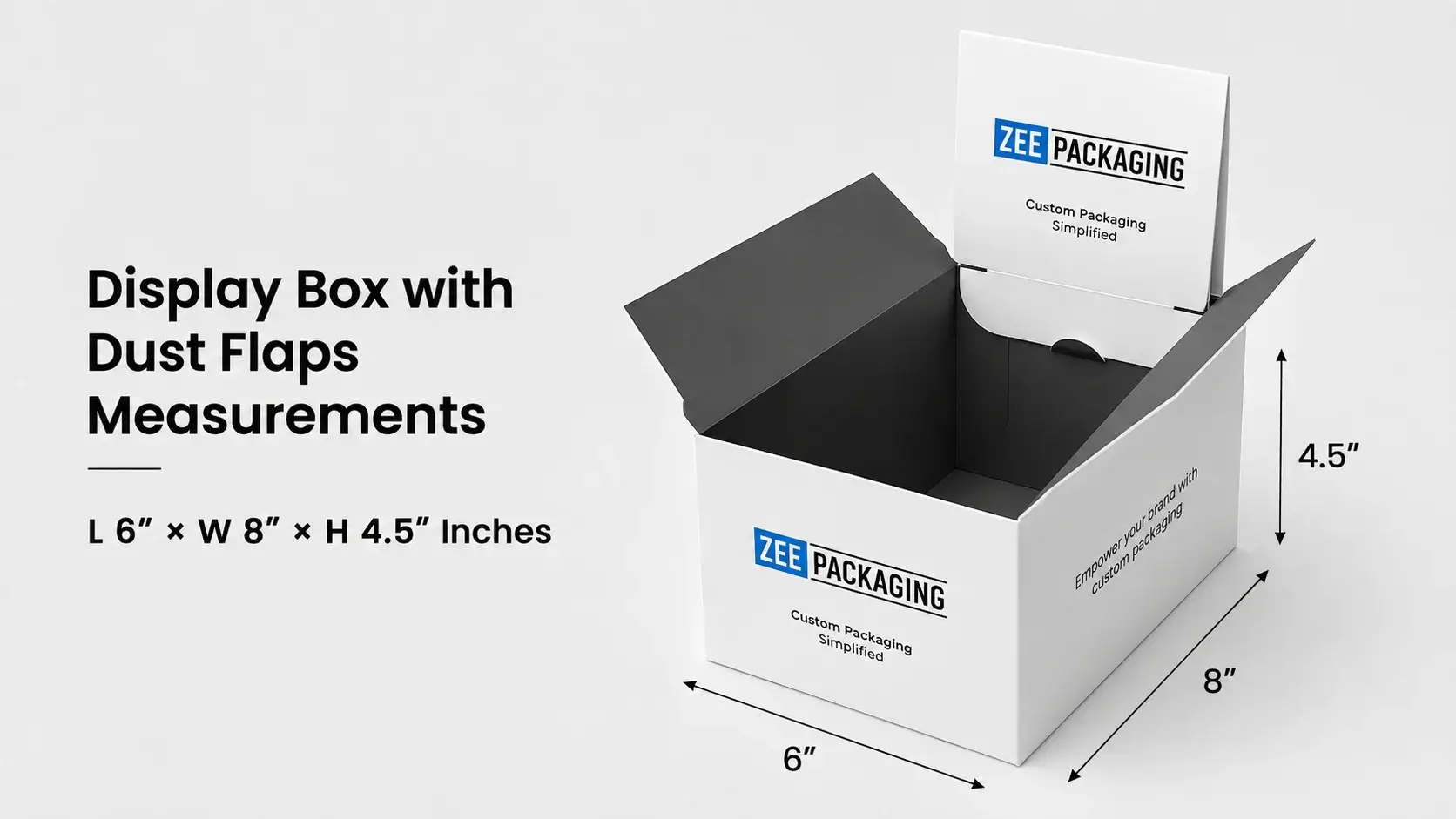
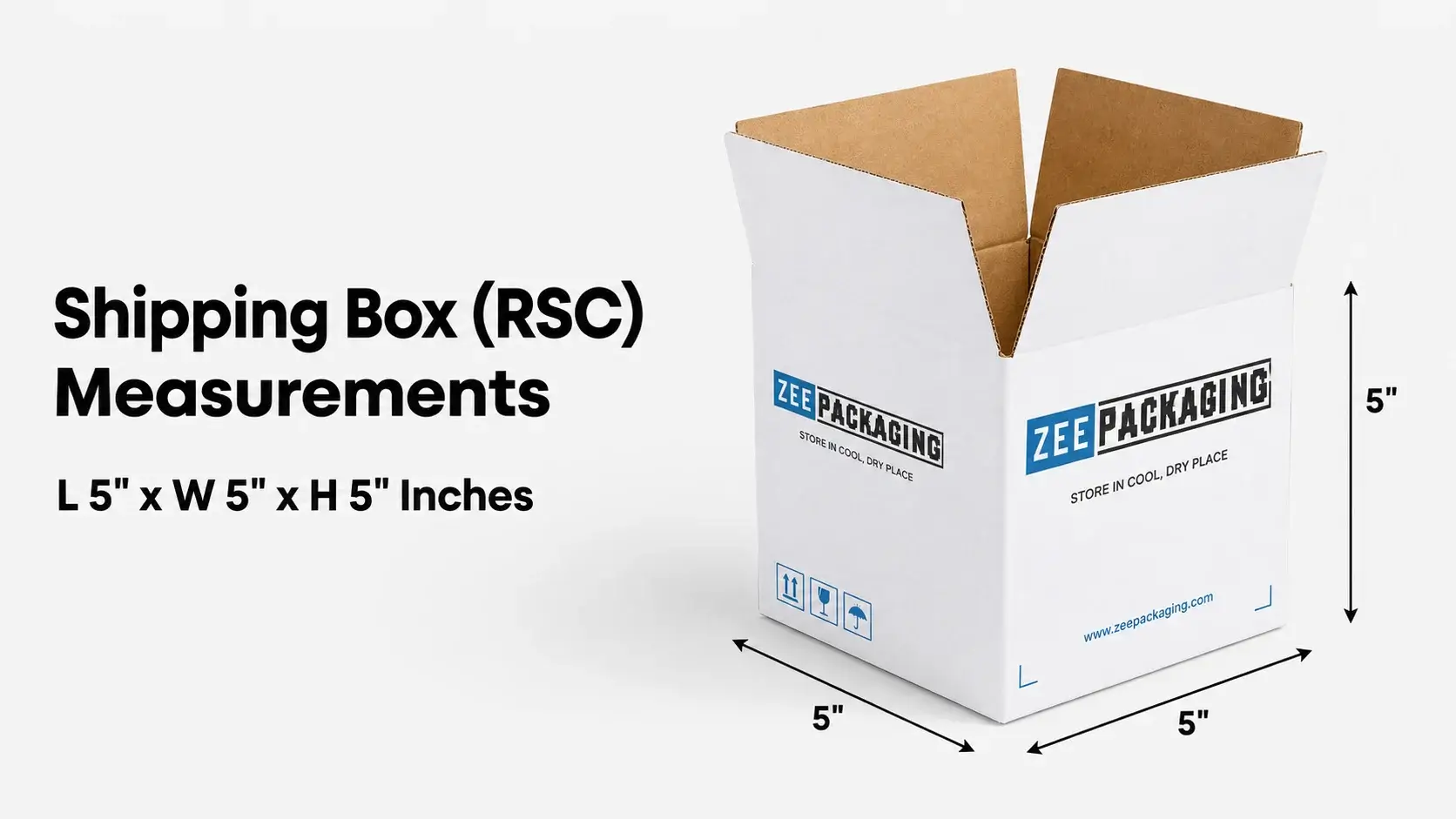
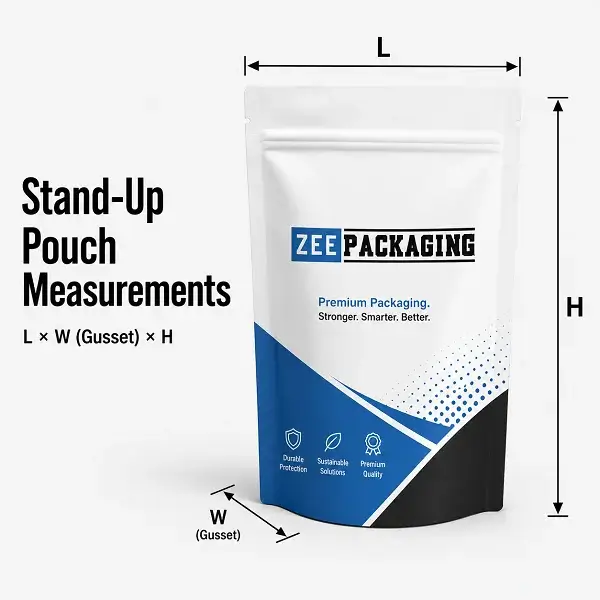
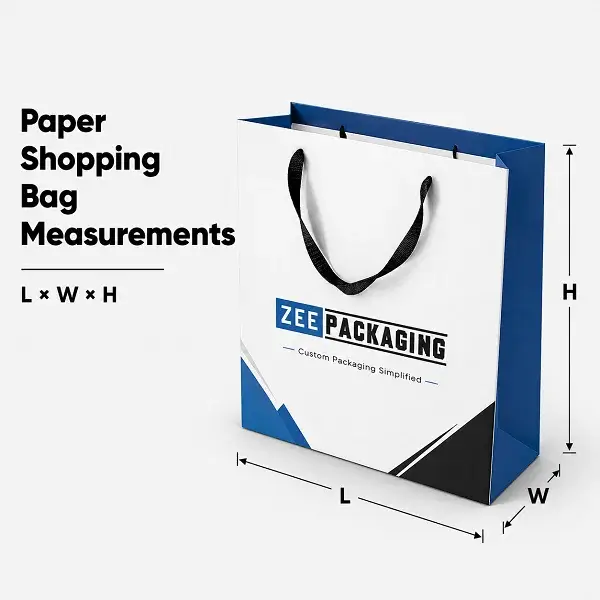
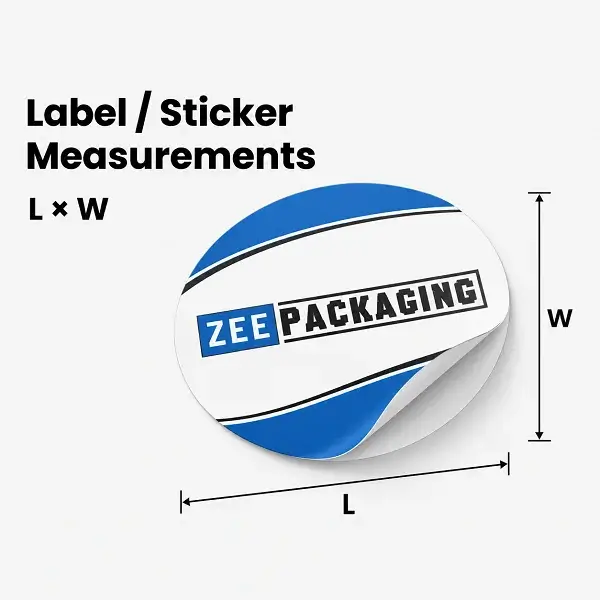
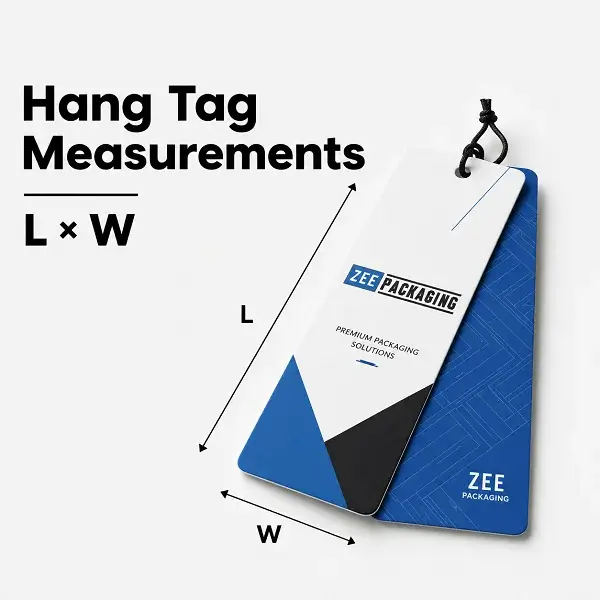
Visual Guide Of Box Measurements by Style
You can use the measurement methods above to understand which dimensions are needed for your packaging. If you are not sure about the correct size, you can share your product dimensions with ZEE Packaging. Our team can help you choose the suitable box size and style based on your requirements.
People Asked Questions
How do I measure custom shaped boxes?
First measure the maximum Length × Width × Height, then add the measurements for curves, angles, cutouts, handles, openings or any unusual parts. You can also send us a dieline, drawing, photo or physical sample, it helps us alot.
Should I provide inside or outside box dimensions?
Inside dimensions are best for most custom box quotes, because they show the usable space for your product. If you have outside measurements only, just mention that clearly.
What if I only know my product dimensions?
You can send us your product Length × Width × Height, along with any inserts, padding or protection needed. Our team can recommend a suitable box size for you.
Should handles, flaps, lids or display headers be included in L × W × H?
Usually no, these are measured separately from the main box dimensions. If your box has handles, lid extensions or display headers, kindly share their measurements also.
Should I measure an assembled box or a flat box?
Always measure the fully assembled box for finished L × W × H. Flat measurements are normally used for dielines and production.
What unit should I use for box measurements?
You can use inches, millimeters or centimeters. Just mention the unit clearly and avoid mixing different units in the same measurements.
How accurate do my box measurements need to be?
Try to be as accurate as possible, especially if your product needs a tight fit. Even small differences can affect the box fitting and closing. You can use a ruler, measuring tape or caliper.
What information should I send with a custom box quote request?
You can share your box dimensions, preferred style, quantity, material, printing requirements, inserts and any special features. Also mention if the measurements are inside or outside.
Still Not Sure How to Measure Your Box?
No problem at all, our team at ZEE Packaging is here to help you. If you are not sure about the correct measurements or your box style is not covered above, just contact us with your product dimensions, photos, drawings, dieline or existing box sample. We can help you choose the right box size and style according to your product needs, so your custom packaging fits properly from the very first time.